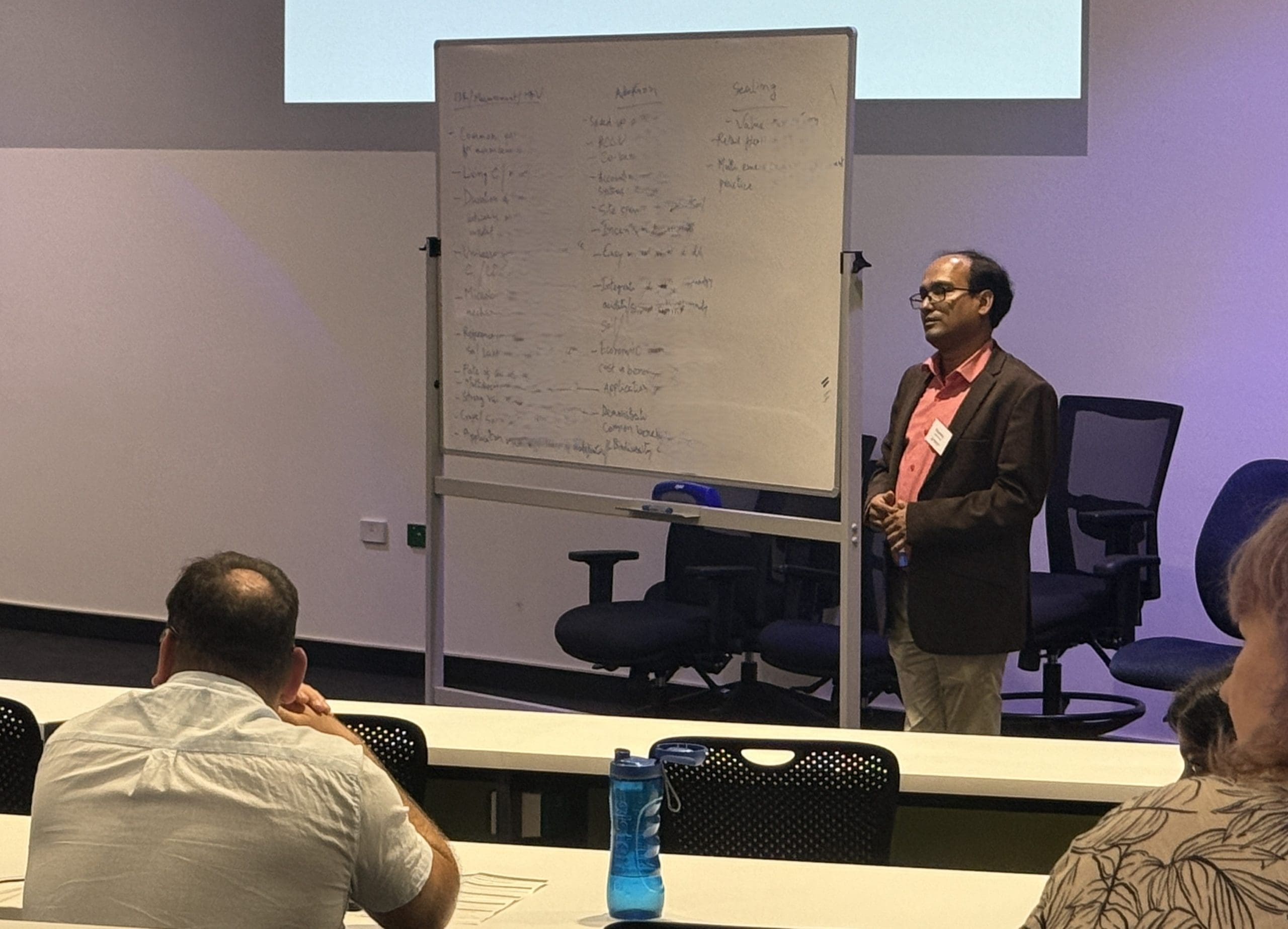
James Cook University will host Australia’s first Enhanced Rock Weathering (ERW) Symposium tomorrow (25 June 2026), bringing together leading researchers and practitioners to accelerate the emerging technology.
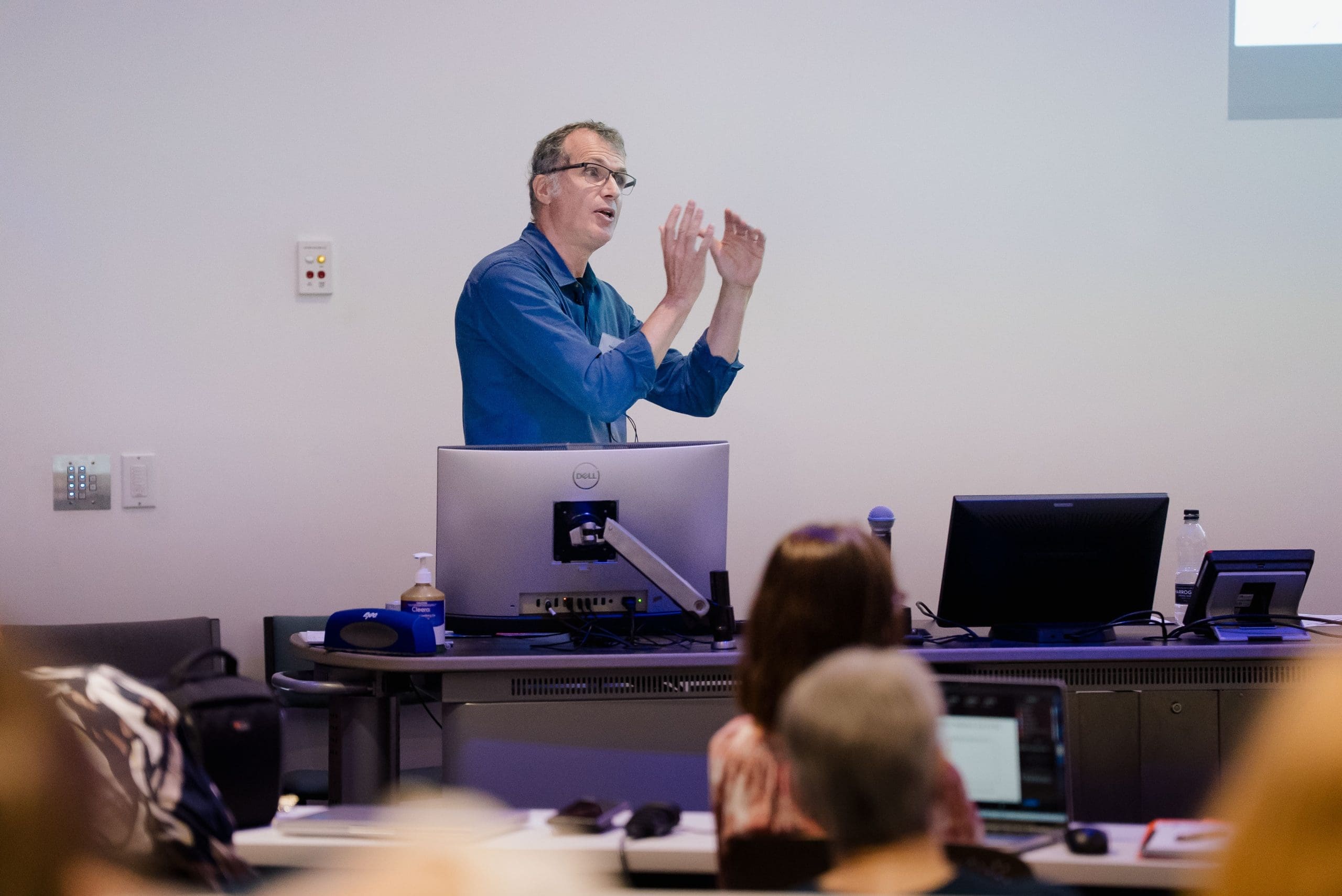
JCU’s Professor Paul Nelson leads ERW trials around the country with Adelaide University’s Dr Binoy Sarkar. Professor Nelson said Australia’s soils are generally highly weathered and infertile, which constrains crop production and carbon storage.
“Our best soils, which are quite scarce, are developed on basalt, so our project is taking crushed basalt – a by-product of gravel manufacture – and applying it to soil. This is a way of making poor soils more like those good soils.”
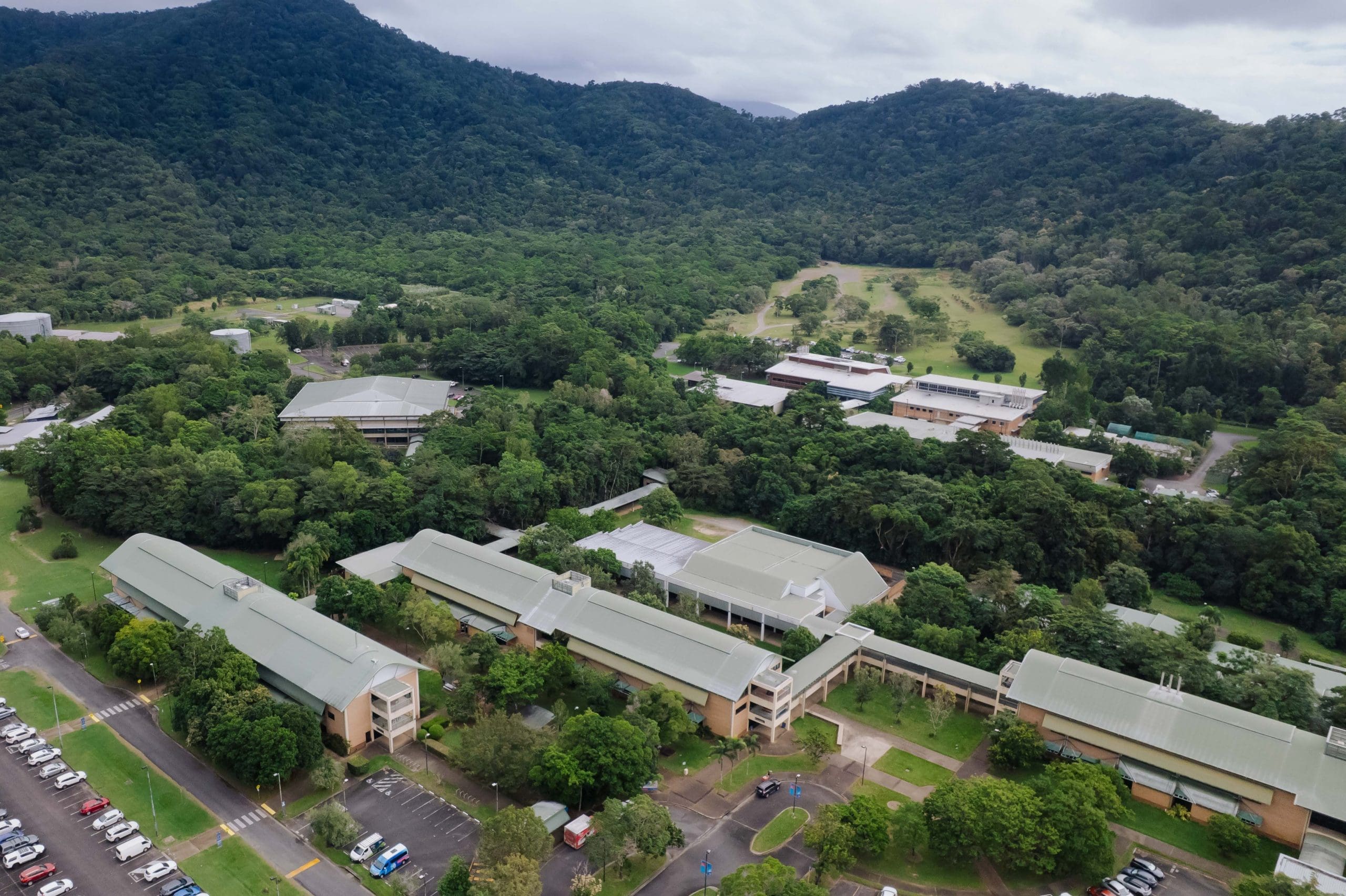
The symposium is being held at JCU’s Nguma-bada campus at Smithfield in Cairns. This project is supported by the Australian Government through funding from the Climate-Smart Agriculture Program under the Natural Heritage Trust.
Dr Nelson said it’s happening at a time when ERW is gaining significant momentum as a potential contributor to Australia’s goal of achieving Net Zero emissions by 2050 – with ERW highlighted as a key pathway in the CSIRO Carbon Dioxide Removal Roadmap.
“ERW involves the application of crushed silicate rocks to agricultural land. Apart from improving soil health, this process accelerates natural chemical weathering, capturing CO₂ and storing it in soils or the ocean as bicarbonate and carbonate,” said Professor Nelson.
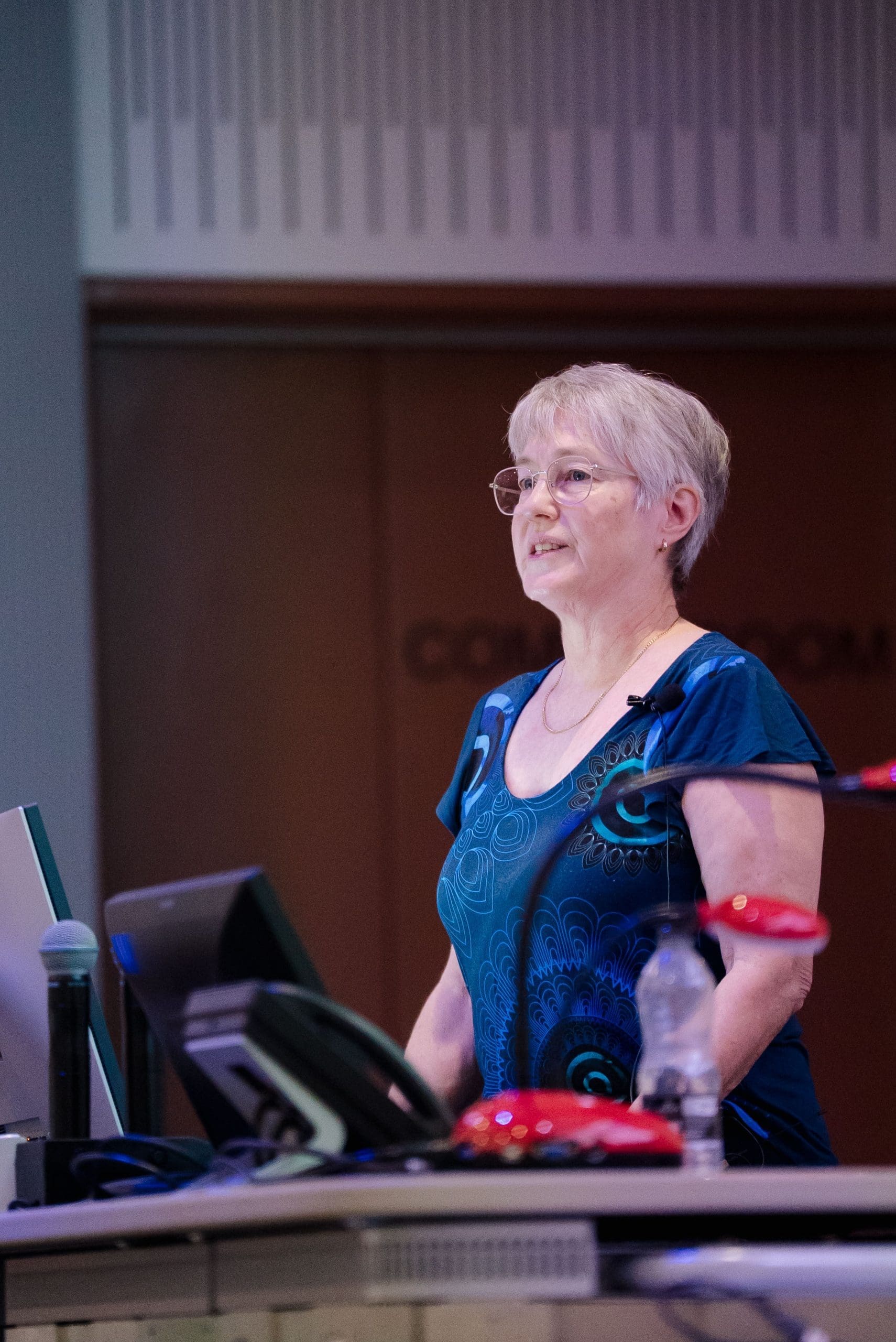
Keynote speaker Dr Annette Cowie, Senior Principal Research Scientist at the NSW Department of Primary Industries and Regional Development, emphasised the strategic importance of the gathering.
“A dedicated Australia and New Zealand symposium is critical for assessing our regional potential.
“It allows us to evaluate what this technology can truly deliver for our future and how it fits into our unique environmental landscape,” said Dr Cowie.
She said the symposium provides a vital platform to build the capability needed for large-scale application, supported by rigorous scientific research into carbon sequestration rates across different climates and farming systems.
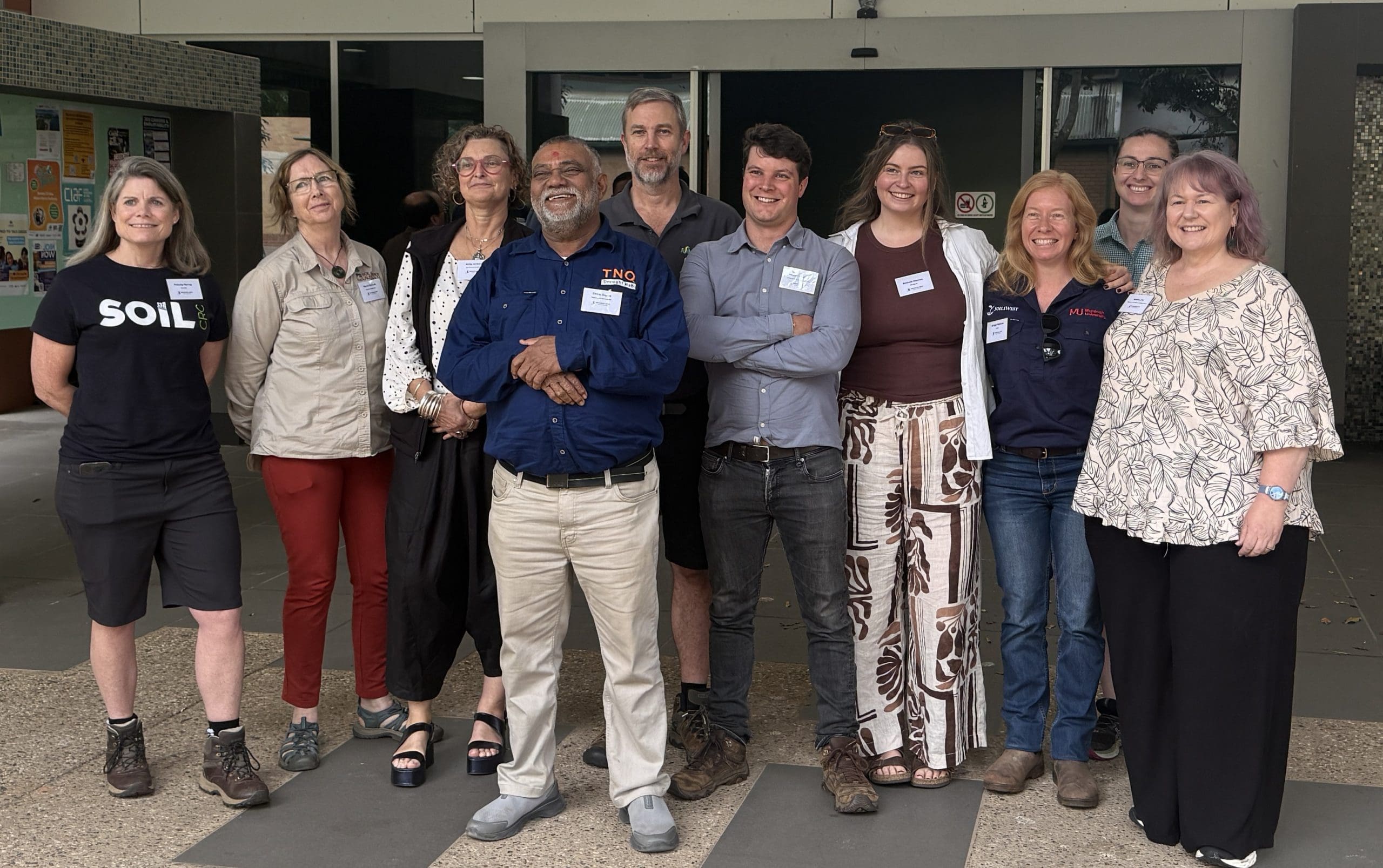
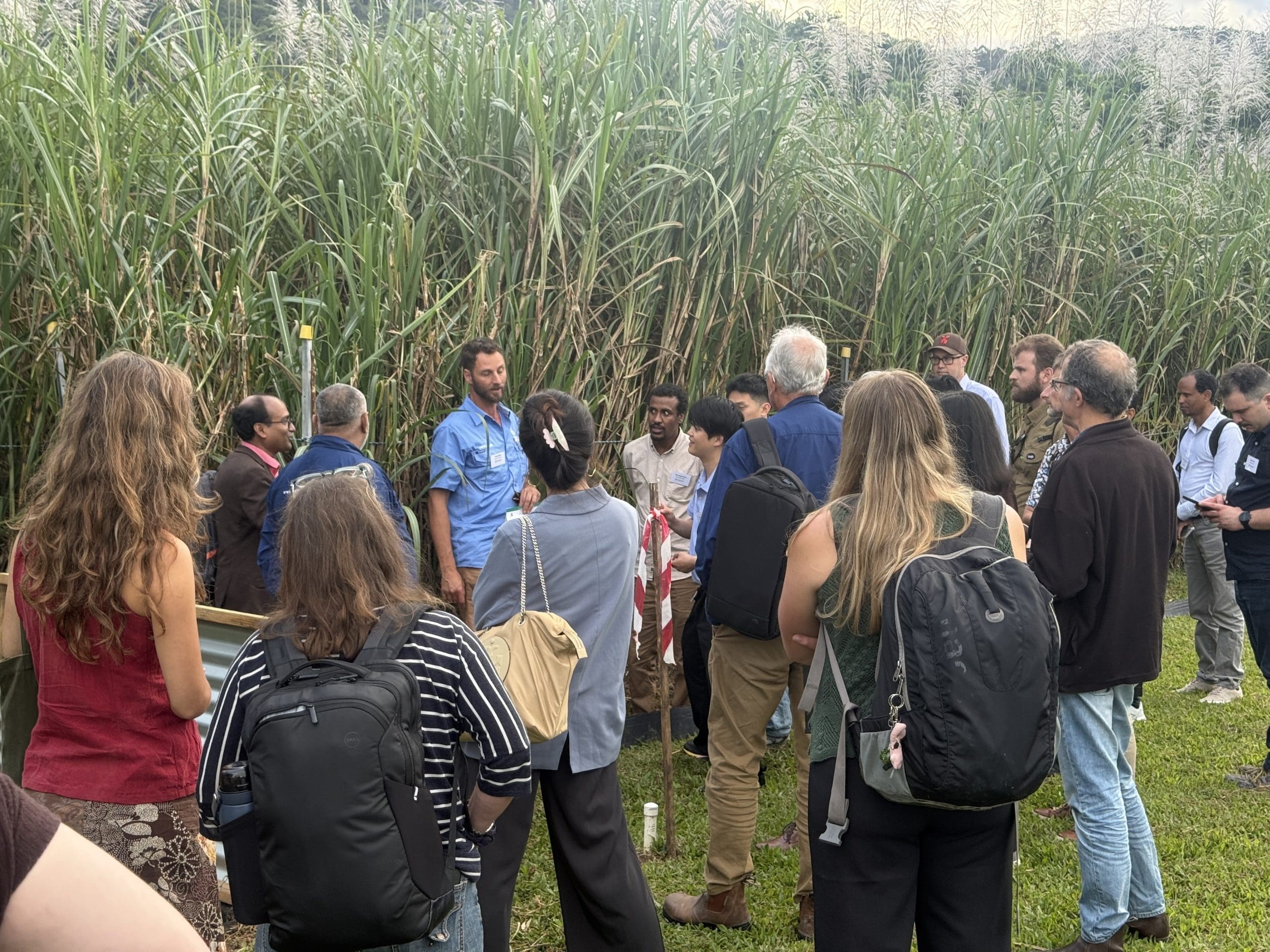
Attendees visited an ERW trial site on sugar cane and avocados to see the technology in action.
Dr Nelson said the symposium is an important opportunity to bring everyone together and address key themes
“A key aspect of our project is raising awareness within the agricultural sector and demonstrating how best to adopt this practice and the benefits it can provide.
“We encourage those interested in learning more about ERW research and the potential benefits for soil health and carbon drawdown to register for the symposium and field visit.”
More information on ERW here.
Media contacts:
Professor Paul Nelson (Cairns) M: 0400 437 554
Dr Binoy Sarkar (Adelaide) M: 0433 801 054
The symposium is part of the Rejuvenating agricultural soils to enhance productivity, resilience and carbon sequestration project, a collaboration between JCU, Adelaide University, Carbonaught, the TNQ Drought Hub and Cascade Climate. This project is supported by the Australian Government through funding from the Climate-Smart Agriculture Program under the Natural Heritage Trust.